Weather in Talkeetna, Alaska
Talkeetna’s weather plays a crucial role in planning helicopter tours, offering travelers breathtaking views and unique experiences. The region experiences a subarctic climate, characterized by cold winters and mild summers, directly impacting flight conditions and safety. In winter months, temperatures often drop well below freezing, sometimes reaching lows of -20°F (-29°C), which can lead to snow and ice on the ground and in the airspace. Snow accumulation can affect accessibility and visibility, making weather monitoring essential for helicopter operation. During the summer, temperatures typically rise to 60-70°F (15-21°C), with longer daylight hours providing excellent conditions for scenic flights. Wind patterns in Talkeetna are variable but generally moderate, although gusts can occur, especially during storm fronts. Precipitation is prevalent year-round, with rain more common in summer and snow dominating in winter. Cloud cover can significantly influence visibility, which is critical for aerial tours over the Alaska wilderness. Seasonally, the shoulder months of spring and fall bring unpredictable weather, requiring careful consideration when booking tours. Travelers should always check current weather forecasts before their flight, dress appropriately, and be prepared for sudden changes. Understanding these climate patterns helps ensure safety and enhances the overall experience of helicopter excursions in Talkeetna.

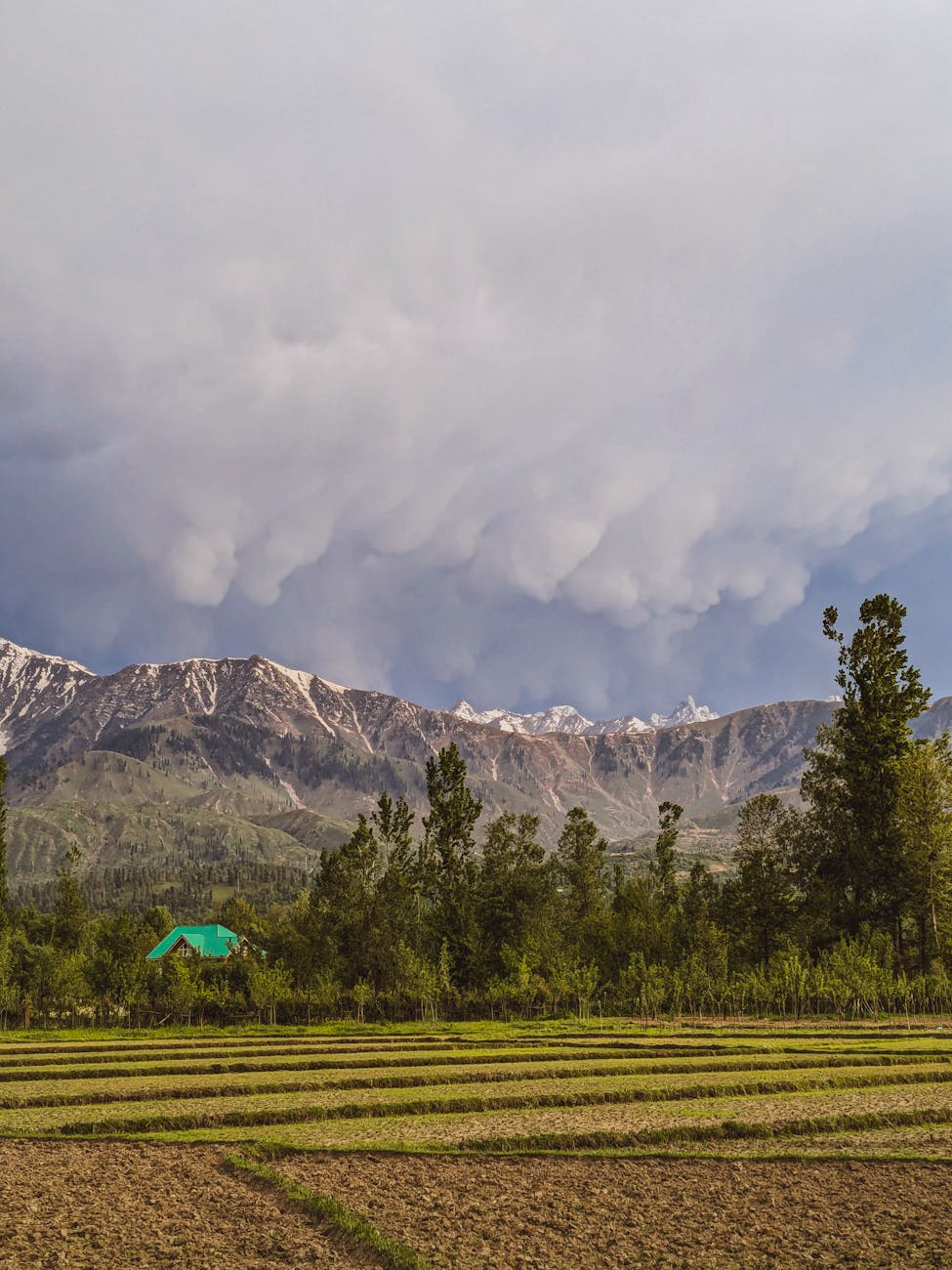
Weather in Talkeetna
Talkeetna’s weather is a key factor for safe and enjoyable helicopter tours. The area experiences a subarctic climate with significant seasonal variation. In summer, temperatures typically range from 50°F to 70°F (10°C to 21°C), providing mild and often clear conditions ideal for sightseeing flights. During this period, you can expect long daylight hours and relatively stable weather, though occasional rain showers are possible. In contrast, winter temperatures may drop well below freezing, sometimes reaching -20°F (-29°C) or lower, accompanied by heavy snowfall and icy winds. These conditions can impact flight schedules and safety, so travelers should stay updated on weather forecasts prior to booking. Spring and fall are transitional periods with rapidly changing weather patterns; spring can bring unpredictable storms and thawing conditions, while fall quickly transitions into winter’s cold. Wind speed is another critical factor: calm days with wind speeds under 15 mph are best for helicopter operations, whereas strong gusts above 30 mph can lead to cancellations. Precipitation, whether rain or snow, affects visibility and helicopter performance, making real-time weather monitoring essential for a smooth experience. Due to Talkeetna’s location in the Alaska Range, weather can change abruptly, even within a single day. Therefore, travelers planning helicopter tours should prepare for diverse conditions and always consult current weather updates for their specific tour dates.
Weather in Talkeetna, Alaska: What to Expect for Your Helicopter Tour
Current Conditions and Seasonal Patterns in Talkeetna for Tourists
Talkeetna experiences a wide range of weather conditions throughout the year, which can significantly impact helicopter tours. In summer, from June to August, temperatures typically range from 50°F to 70°F (10°C to 21°C), with long daylight hours and relatively stable weather, making it the ideal season for most flights. However, travelers should be prepared for occasional rain showers and higher winds during this period, especially in the afternoons. Winter weather, from December to February, brings colder temperatures often below freezing, averaging around 20°F to 0°F (-6°C to -18°C). Clear, crisp days are common, but heavy snowfall and lower visibility can ground flights temporarily. Spring and fall shoulder seasons can be unpredictable, with rapidly changing weather patterns that require flexibility in your travel plans. Always check up-to-date forecasts before your trip, and dress accordingly in layers to stay comfortable regardless of current conditions.

 Whirlybirds