Weather conditions in Juneau
Juneau’s weather plays a crucial role in planning helicopter tours, offering diverse conditions throughout the year. During summer months, Juneau experiences mild temperatures averaging between 55°F (13°C) and 65°F (18°C), with longer daylight hours that enhance sightseeing opportunities. Typical summer weather includes occasional rain showers and overcast days, which can impact visibility but also contribute to the lush beauty of the region. Conversely, winter brings colder temperatures often dropping below freezing, with significant snowfall and frequently overcast skies. These harsher conditions may result in tour cancellations or delays, emphasizing the importance of checking real-time weather updates before booking. Spring and fall months feature transitional weather—cooler temperatures and unpredictable rain—making flexibility essential for travelers. Because helicopter tours rely heavily on clear, stable weather, visitors should monitor forecast reports carefully, especially in winter when weather shifts can be sudden and severe. Overall, weather in Juneau is highly variable, and staying informed ensures a safe, enjoyable helicopter experience.
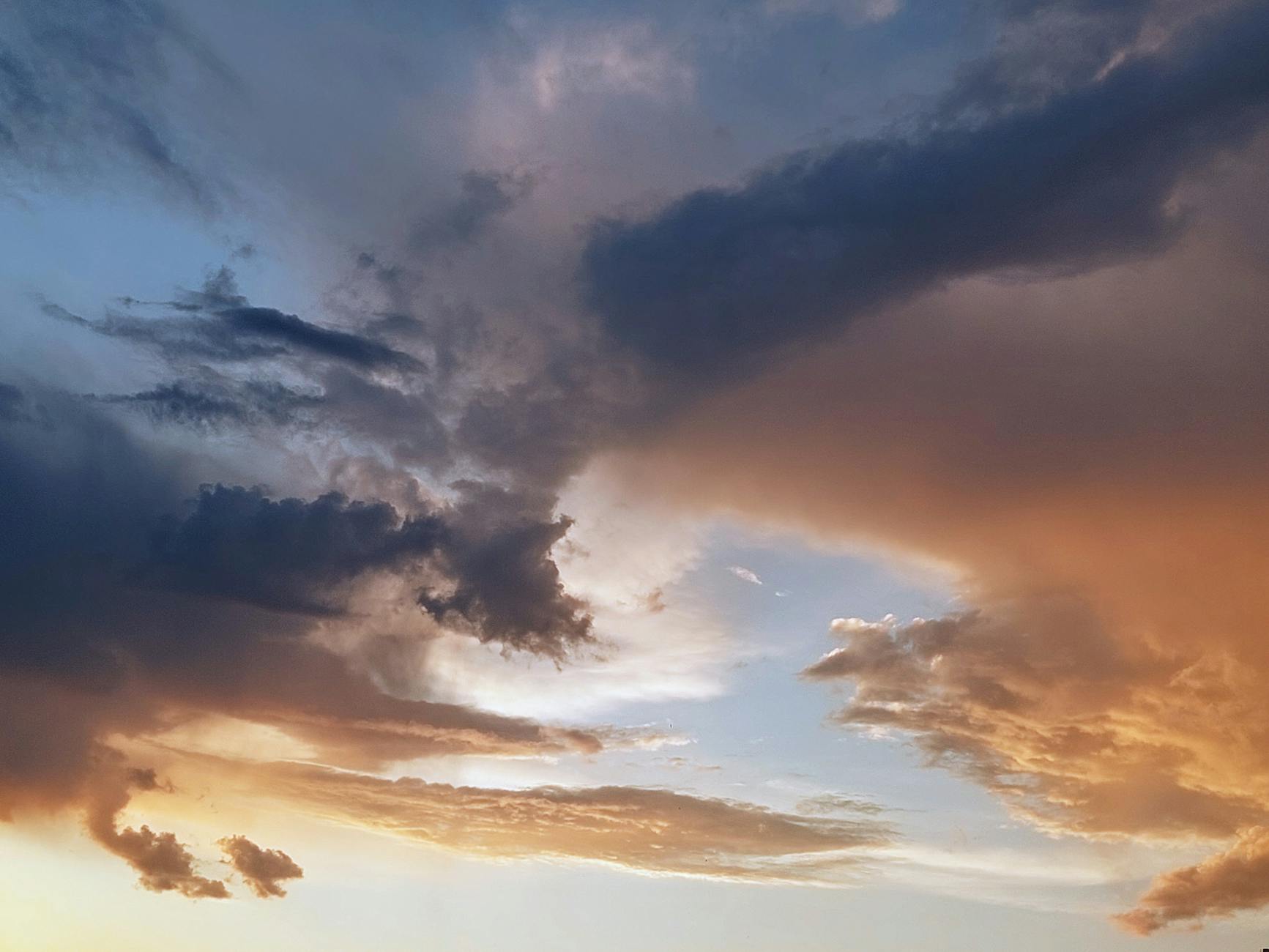
Weather in Juneau, Alaska
Juneau experiences a maritime climate characterized by mild, moist, and variable weather patterns throughout the year. During the summer months, average daytime temperatures range from 50°F to 65°F (10°C to 18°C), providing relatively comfortable conditions for helicopter tours despite the possibility of overcast skies. Summer is also the driest period, although occasional rain showers are common. In the winter, temperatures typically fall between 20°F to 35°F (-6°C to 2°C), with frequent snowfall and increased storm activity, which can significantly affect helicopter flight safety and scheduling. Precipitation levels are higher in fall and winter, resulting in cloud cover and challenging flying conditions. Constantly changing weather necessitates flexibility in tour planning and highlights the importance of checking real-time forecasts before booking or departing on a helicopter adventure. Overall, understanding Juneau’s dynamic weather patterns is crucial for a safe and enjoyable helicopter tour experience. Weather conditions can change rapidly, and pilots are trained to navigate these variations to ensure passenger safety while providing stunning vistas of the surrounding glaciers, rainforests, and mountain ranges.
Typically, clear days with minimal clouds are ideal for helicopter tours in Juneau, providing the best views of the expansive glaciers, rugged peaks, and dense forests that define this region. During peak summer, mid-day conditions tend to be more stable, though mornings and late afternoons can see fog or cloud buildup, impacting visibility. Winter and shoulder seasons pose greater challenges, with weather significantly affecting tour availability and safety. Visitors are advised to monitor updated weather reports and be flexible with their plans, as helicopter tours often have seasonal and weather-dependent schedules. The region’s unpredictable weather underscores the importance of thorough preparation and choosing reputable tour operators with experienced pilots familiar with local conditions. Whether soaring over the icy expanse of glaciers or capturing aerial views of hidden fjords, understanding Juneau’s weather patterns enhances both safety and the overall experience of your helicopter tour.

Understanding Juneau’s Weather for Helicopter Tours
Juneau’s weather plays a critical role in planning helicopter tours. Known for its maritime climate, Juneau experiences mild, wet winters and cool summers, with average temperatures ranging from 30°F to 65°F. The region receives substantial rainfall, especially from September to December, which can influence visibility and safety for flights. Summer months, particularly June through August, tend to have clearer skies and drier conditions, making this the peak season for helicopter tours. However, weather can be unpredictable; sudden storms, fog, or high winds may lead to cancellations or delays. Tour operators closely monitor weather forecasts and atmospheric conditions to ensure passenger safety and provide the best possible experience. Understanding these seasonal variations helps visitors choose optimal times for their helicopter adventures and ensures a safe, memorable flight over Alaska’s breathtaking landscapes.
 Whirlybirds